In Summary:
- African civilizations influenced global fashion through textiles, tailoring, and symbolism centuries before modern fashion capitals emerged.
- Trade routes spread African garments, dyes, and techniques across Europe, the Middle East, and Asia.
- Royal courts and empires used fashion as a language of power, identity, and artistry.
- Many modern luxury and ceremonial styles trace their roots to African design traditions.
Deep Dive!!
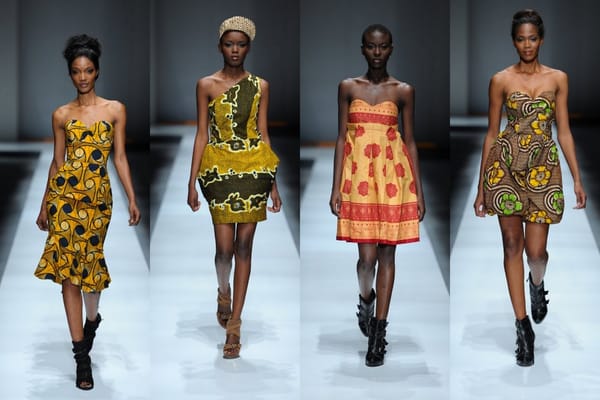
Thursday, 22 January, 2026 – Long before Paris, Milan, or London defined global fashion, African societies were already shaping how the world dressed, adorned power, and expressed identity through clothing. Across ancient empires, royal courts, and transcontinental trade routes, African textiles, silhouettes, dyeing techniques, and craftsmanship influenced Mediterranean, Middle Eastern, and later European fashion traditions. Garments were not merely functional, they communicated status, spirituality, wealth, and philosophy, making fashion a sophisticated cultural language across the continent.
This article explores ten African countries whose fashion systems predate modern runways yet left enduring global legacies. Drawing on historical records, archaeology, museum collections, and trade documentation, the ranking highlights how African innovation in textiles, tailoring, and adornment shaped global aesthetics centuries before contemporary fashion industries emerged.
10. Tunisia
Ancient Tunisia, particularly Carthage, was a major textile and fashion hub of the Mediterranean world long before European fashion centers emerged. Carthaginian artisans produced finely woven wool, linen, and dyed fabrics that were widely traded across North Africa, Southern Europe, and the Near East. Roman sources confirm that garments produced in North Africa were prized for their durability, comfort, and craftsmanship, with Tunisian tunics and cloaks worn by Roman elites.
Archaeological evidence shows that decorative patterns and weaving techniques rooted in Amazigh and Punic cultures influenced later Mediterranean fashion aesthetics. These influences became embedded in Roman dress and, by extension, early European clothing traditions, positioning Tunisia as an early exporter of fashion innovation rather than a passive recipient.
9. Ethiopia
Ethiopia’s fashion heritage dates back to the Aksumite Empire, where textile production was closely linked to religious, royal, and social identity. Traditional garments such as the shamma and netela feature hand spun cotton, intricate borders, and symbolic embroidery that reflect centuries old craftsmanship. Ethiopian church vestments and royal attire influenced ceremonial dress across the Horn of Africa.
Historical manuscripts, wall paintings, and illuminated texts depict layered garments, draped silhouettes, and embroidered robes centuries before similar styles appeared in European ecclesiastical fashion. Ethiopia’s uninterrupted cultural continuity allowed its fashion traditions to survive intact, making it one of the oldest living fashion cultures in the world.
8. Madagascar
Madagascar’s textile traditions developed through sustained interaction with Indian Ocean trade networks linking Africa, Arabia, Persia, and Southeast Asia. The lamba, a versatile garment worn by Malagasy people, evolved from these exchanges, incorporating cotton, silk, and raffia fibers. Its use as everyday wear, ceremonial clothing, and burial cloth highlights its cultural importance.
Historical trade records indicate that Malagasy textiles circulated widely along the Swahili Coast and Indian Ocean islands, influencing coastal East African dress. The lamba’s draped form and symbolic colors contributed to shared regional fashion aesthetics long before modern global trade systems emerged.
7. Sudan
Ancient Nubia and Kush, located in modern Sudan, played a significant role in shaping early luxury fashion in Africa and the Mediterranean. Nubian royalty were known for gold adorned garments, elaborate beadwork, leather accessories, and finely woven textiles that influenced elite dress in ancient Egypt.
Museum collections and archaeological findings show that Nubian jewelry designs, clothing silhouettes, and textile ornamentation were adopted by Egyptian and later Greco Roman elites. Sudan’s ancient civilizations thus contributed to early concepts of luxury, adornment, and status based fashion.
6. Morocco
Morocco has influenced global fashion for over a thousand years through its mastery of garment construction, embroidery, and leatherwork. The Moroccan caftan, djellaba, and burnous spread across North Africa and into Andalusia during the medieval period, shaping Iberian court dress and ceremonial attire.
European designers later drew inspiration from Moroccan silhouettes, fabrics, and ornamentation, a trend that continues today. Morocco’s strategic location between Africa and Europe allowed its fashion traditions to travel widely, embedding African aesthetics into European luxury culture long before the modern runway era.
5. Egypt
Ancient Egypt laid some of the earliest foundations of fashion design through advanced textile production, linen tailoring, pleating techniques, and symbolic adornment. Egyptian garments emphasized form, drape, and proportion, influencing Greek and Roman clothing through cultural exchange and conquest.
Preserved garments, tomb paintings, and jewelry demonstrate Egypt’s pioneering role in defining fashion as both functional and symbolic. Concepts such as tailored silhouettes, luxury materials, and visual storytelling through dress can be traced directly to Egyptian innovation.
4. Mali
The Mali Empire was a major fashion influencer through its control of gold, cotton production, and indigo dyeing. Malian elites wore flowing robes made from finely woven cotton, often dyed with deep indigo and decorated with gold thread, signaling wealth and authority.
Arab travelers such as Ibn Battuta documented the splendor of Malian dress, noting its influence across trans Saharan trade routes. Techniques like bogolanfini (mud cloth) spread widely, shaping textile traditions across West and North Africa.
3. Nigeria
Nigeria’s fashion influence spans multiple civilizations, including Yoruba, Benin, Hausa, and Igbo societies. Handwoven aso oke, embroidered agbada, coral beaded regalia, and bronze adorned garments reflected complex social hierarchies and artistic mastery.
European museums and early global exhibitions collected Nigerian textiles and regalia, influencing modern luxury fashion through texture, symbolism, and craftsmanship. Nigeria’s fashion traditions demonstrated that clothing was both art and social language long before global fashion industries existed.
2. Ghana
Ghana’s kente cloth is one of Africa’s most globally recognized fashion contributions. Woven from silk and cotton, kente patterns encode philosophy, leadership values, and historical narratives. European traders documented kente as early as the 17th century, recognizing its prestige and symbolic power.
Today, kente patterns appear in haute couture, academic regalia, and political ceremonies worldwide. Its influence reflects Africa’s long standing role in defining fashion as identity, status, and storytelling, not merely decoration.
1. Senegal
Senegal ranks first due to its central role in shaping West African luxury fashion through embroidery, indigo dyeing, and flowing garment construction. The boubou, originating from Senegambian culture, became a dominant fashion form across Africa, the Middle East, and diaspora communities.
French colonial archives, museum collections, and fashion scholarship confirm Senegal’s influence on global textile aesthetics. The elegance, comfort, and symbolic richness of Senegalese dress established design principles that predate and continue to influence modern fashion houses.
We welcome your feedback. Kindly direct any comments or observations regarding this article to our Editor-in-Chief at [email protected], with a copy to [email protected].


Related News
Top 10 African Kingdoms/Countries with Royal Regalia Richer Than European Crowns
Jan 22, 2026
Top 10 African Countries with Indigenous Games Older Than Chess
Jan 22, 2026
Top 10 African Countries with Ancient Cities Still Inhabited Today
Jan 22, 2026