Top 10 Most Developed African Countries in 2025 (HDI Ranking)
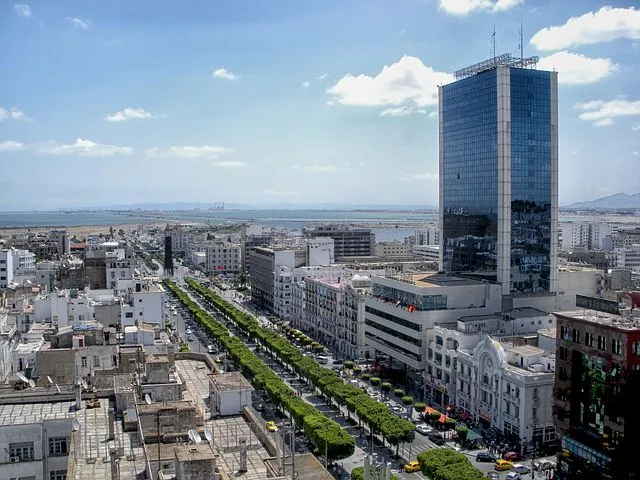
In 2025, Africa’s most developed nations reflect a balance of economic growth, governance, and human development, highlighting resilience and policy-driven progress.
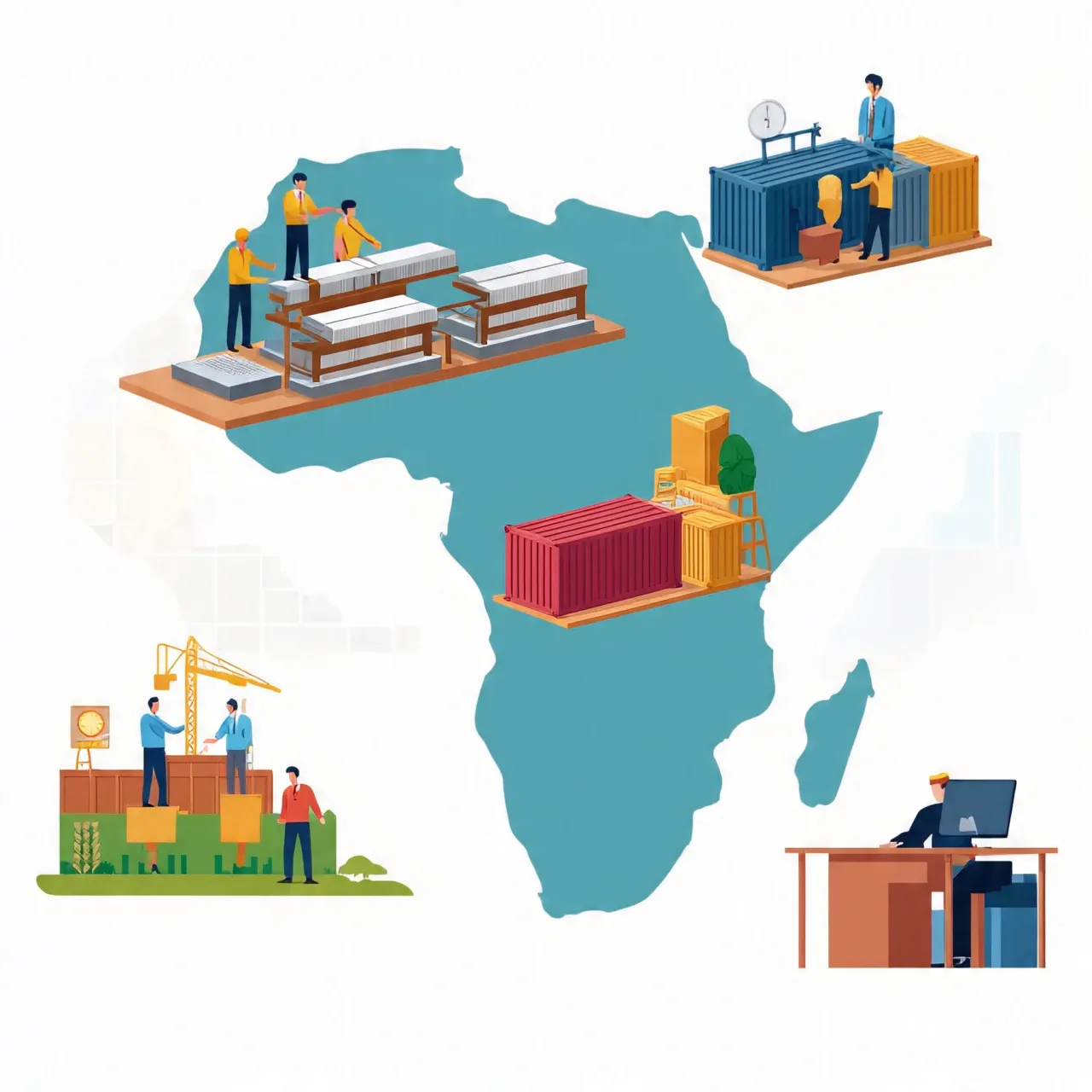
On-the-ground intelligence on Africa's infrastructure, workforce, regulatory frameworks, and business climate for companies building and expanding across African markets.
In 2025, Africa’s most developed nations reflect a balance of economic growth, governance, and human development, highlighting resilience and policy-driven progress.
Cellulant began with a simple vision to streamline payments in Africa. Under Ken Njoroge, it now serves 35+ markets and closed a $47.5M Series C.
Meshack Alloys transformed informal East‑African transport into Sendy a tech‑powered logistics network with 5,000+ vehicles, US$26.5 M funding, and clients like Unilever and Jumia.
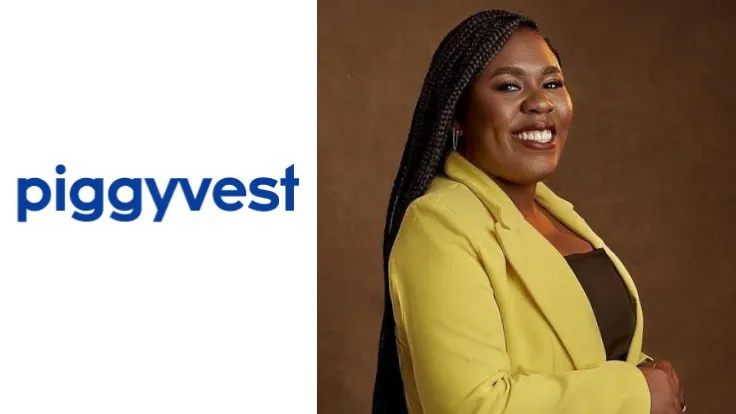
With PiggyVest, Odunayo Eweniyi helped turn informal saving habits into a ₦2 trillion‑payout digital savings platform trusted by millions across Africa.
Africa’s universities show steady global gains in the QS World Rankings 2026, with 10 institutions making the top 900 and South Africa leading the continent.
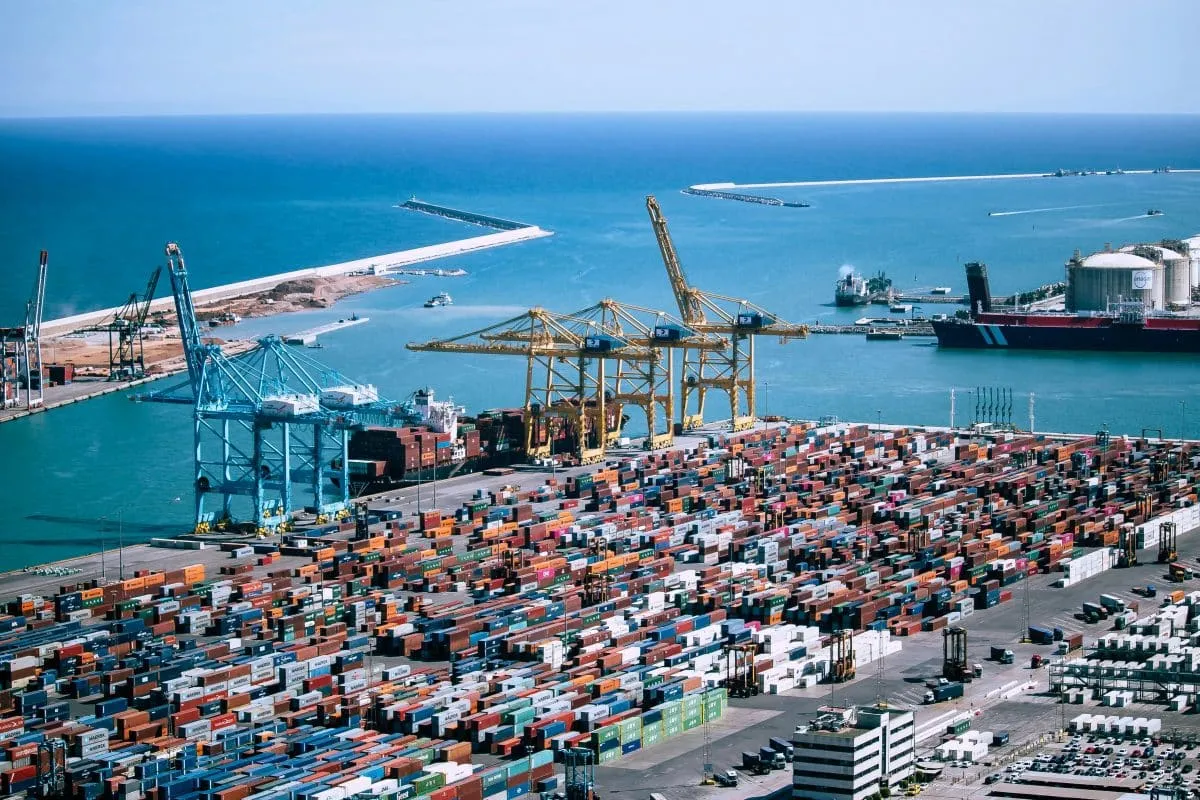
Africa’s 2025 CPPI release reveals six African ports with sharp container‑port‑efficiency gains, offering fresh evidence of how targeted reforms and operations matter more than size.
Gregory Rockson built mPharma into a pan‑African medicine supply network reaching 9 countries, creating over 850 pharmacies to deliver affordable, quality drugs and serve millions of patients across the continent.
Tayo Oviosu turned frustration with cash into Paga, a Nigerian fintech company serving 29 million users, and building enterprise infrastructure. Today, it stands out as one of Africa’s most trusted platforms thanks to its nationwide agent network and consistent reliability.
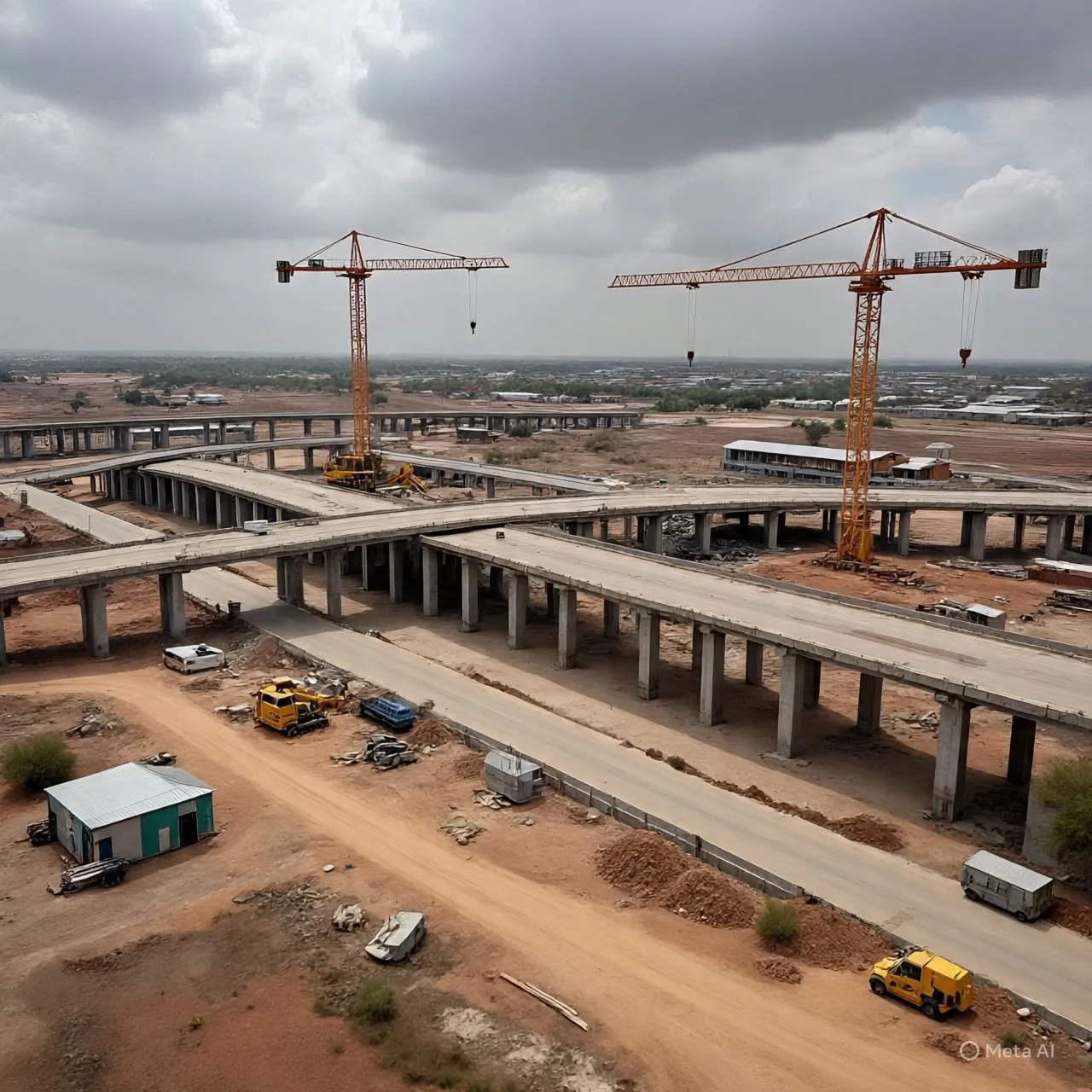
Over $3.5 billion was spent on five major African infrastructure projects in the past decade, but none were completed, leaving bridges, monorails, and industrial facilities abandoned, according to audits and investigative reports.
Fred Swaniker launched the African Leadership Group, training nearly 1,800 students at ALA, awarding US$230 million in scholarships, and aiming for 3 million ethical leaders by 2035.
In Nigeria alone, over 1.8 M units of blood are needed yearly, but only 500 K are collected, a gap LifeBank fills by delivering blood and other lifesaving supplies.
By 2021, Luno served 9M users in 40+ countries, processing billions of dollars in transactions and making crypto accessible across Africa.
Over 80% of domestic work in Africa is informal, and Pandor turned this overlooked gap into one of the continent’s most successful tech solutions.
In 2025, African workers average up to 50.8 hours weekly, with industrial, logistics, and agricultural sectors turning long hours into formal, productive output.
Female literacy in Africa reflects steady social progress, showing how policy consistency and education reform continue to reshape learning outcomes.
Africa’s highest-purchasing-power cities reflect structured income bases, strong formal employment, and financial systems that cushion households against inflation and currency fluctuations.