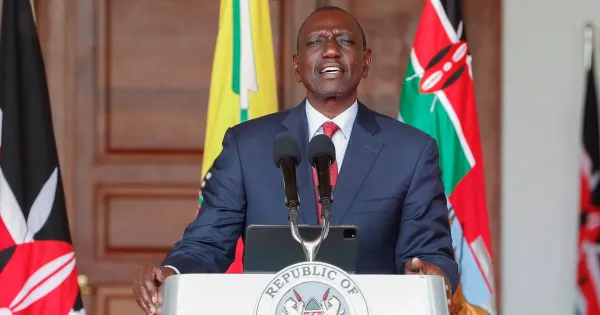
This directive arrived right after the president publicly declared that Kenya welcomes massive international corporations but draws the line at foreign hawkers and small shop owners. According to the administration, visa-free entry policies exist for tourism and major investments rather than neighborhood trade.
Burundi responded swiftly to the pressure. Hundreds of Burundian nationals flooded their embassy in Nairobi to secure emergency travel documents, choosing voluntary exit over the uncertainty of a hostile local climate. Burundi foreign affairs officials summoned the Kenyan ambassador and threatened retaliatory measures against Kenyan citizens living within their borders, transforming a domestic economic policy into an explosive regional standoff.
Critics point the finger at local political maneuvering, arguing that leaders use immigration crackdowns as convenient smoke screens to distract voters from deeper economic hardships. State officials reject those accusations, maintaining that proper legal compliance protects local markets and ensures fairness.
Why it Matters
African integration agreements promise seamless borders and shared prosperity, yet ordinary citizens bear the brunt of sudden protectionist clampdowns that expose the fragile reality of continental free movement.
How can the continent champion open borders and economic unity when individual nations still treat neighboring workers as economic threats?