Table of Contents
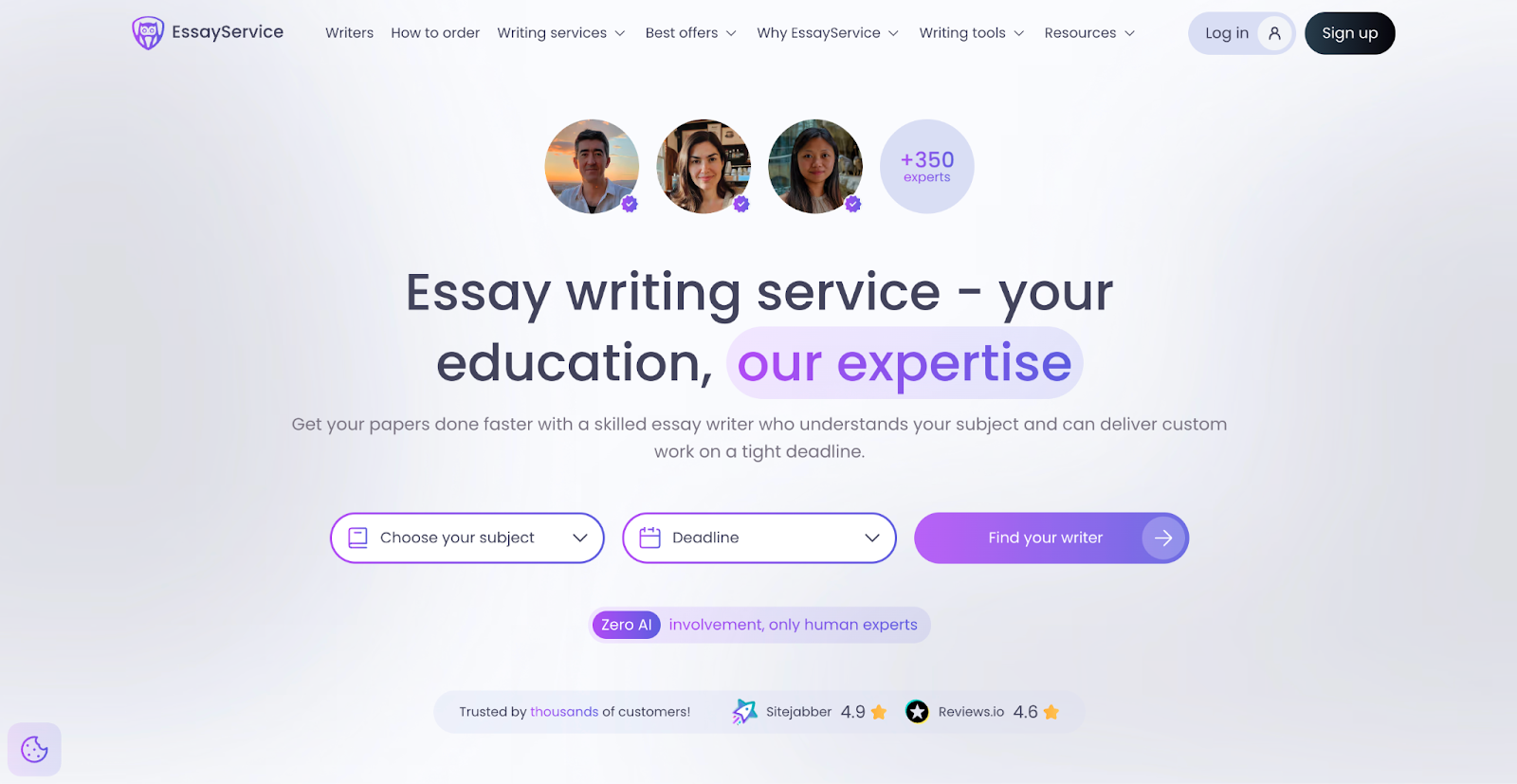
Online academic support platforms are part of a broader shift toward digital service marketplaces in education. As remote learning expands, coursework becomes more research-intensive, and AI tools reshape how students draft and edit assignments, structured third-party support has grown alongside traditional academic resources. EssayService operates within this environment using a marketplace-based model rather than automatic writer assignment. This review examines how that structure works in practice and what it means for students considering this type of service.
Order Structure and Initial Requirements
EssayService does not assign a writer automatically after a request is submitted. The process begins with a detailed order form where students specify academic level, formatting style, deadline, length, source requirements, and any supporting materials such as lecture notes or grading rubrics.
Clear instructions at this stage reduce confusion and improve alignment between expectations and results. Instead of distributing tasks automatically, the platform allows writers to respond to clearly defined briefs.
Writer Bidding and Profile Transparency

Once an order is published, qualified writers review the requirements and submit bids. At this stage, students can select and hire writers through the essayservice.com website by comparing profiles instead of accepting a randomly assigned freelancer.
Each writer profile typically includes:
- Area of specialization
- Statistics on completed orders
- Client reviews
- A price offer for the specific task
This model gives students control over the selection process. Users can assess subject fit, experience, and pricing before making a decision, which contrasts with platforms that rely on internal allocation systems.
Collaboration and Draft Development
After a writer is selected, the project becomes active. The platform provides encrypted messaging so both sides can clarify structure, research direction, and citation requirements. For complex assignments, reviewing an outline early in the process helps prevent structural issues later.
This makes the workflow more interactive than a simple file exchange. The final outcome, however, still depends on how clearly the assignment was described and how consistently communication is maintained.
Research Standards and Quality Control
Writers are expected to follow the requirements outlined in the order form, including citation style, source type, and publication date limits. Before the completed assignment is released, it goes through a quality check that may include plagiarism screening, AI-pattern detection, instruction compliance review, and formatting verification.
This staged review process reduces technical errors and originality risks. Delivery is structured in phases rather than ending the moment a draft is uploaded.
Revisions and Accountability Mechanisms
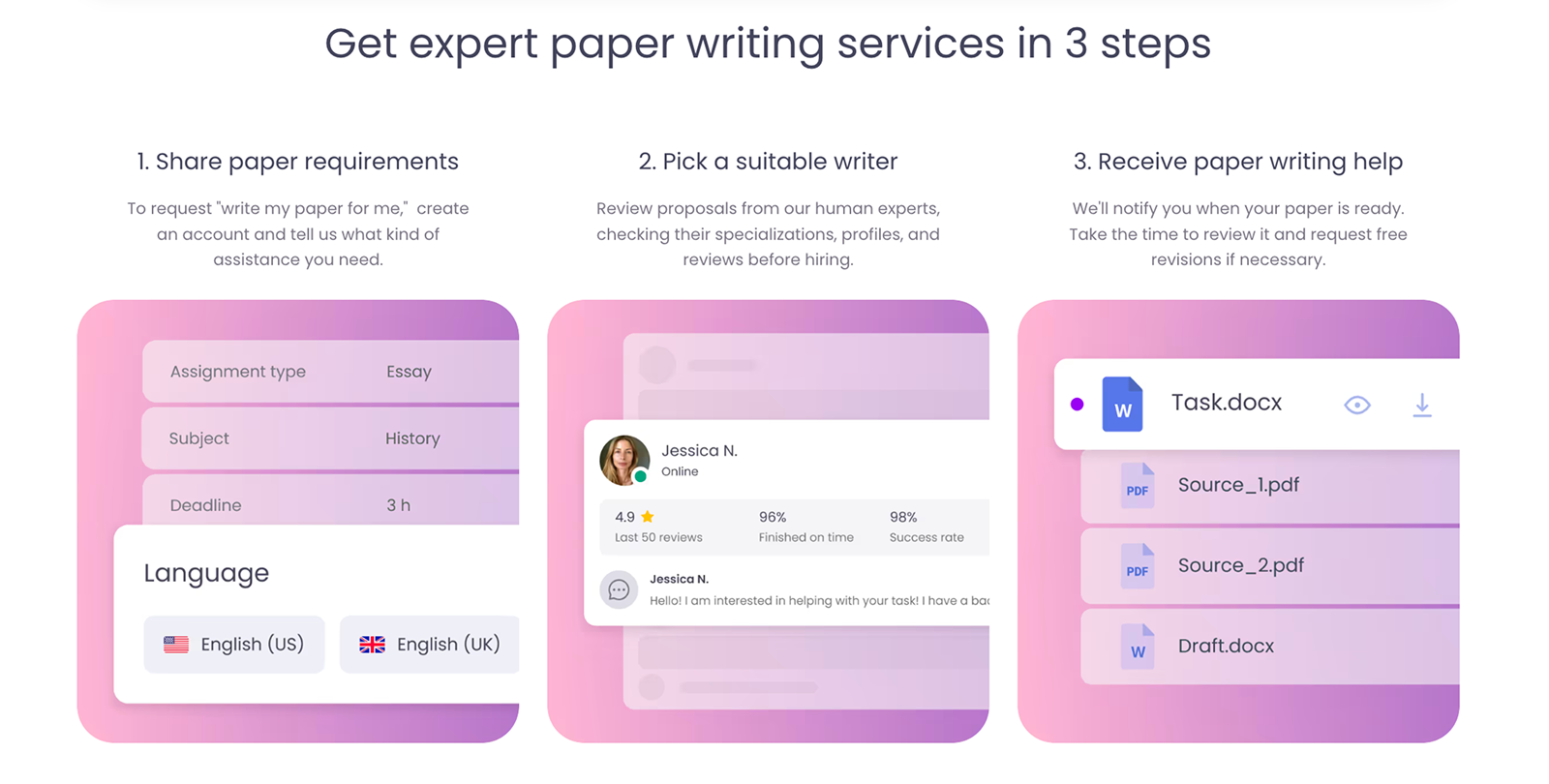
After delivery, students can request revisions if the paper does not fully meet expectations or if instructor feedback requires changes. Academic grading often involves interpretation, so a defined revision phase adds practical flexibility.
The revision framework generally includes:
- A specific time window for submitting revision requests
- The ability to clarify feedback and adjust arguments or formatting
- The option to expand or refine sections when needed
- Final approval before the order is officially closed
This stage allows adjustments without restarting the process and supports a controlled completion cycle.
Strengths and Key Considerations
From an operational perspective, EssayService’s structure offers clear advantages. The transparent bidding model, profile-based selection, direct communication, and staged quality checks create a layered process instead of a one-step transaction.
At the same time, students should consider institutional policies, academic integrity expectations, and the importance of reviewing any submitted work carefully. External support can assist with structure and research, but responsibility for submission standards remains with the student.
Who This Model May Suit and Final Assessment
The EssayService model may be suitable for:
- Students handling multiple overlapping deadlines
- International students adjusting to unfamiliar formatting standards
- Graduate projects that require structured planning
- Technical assignments that benefit from subject-specific expertise
It may be less appropriate for those looking for fully automated, instant solutions with minimal involvement.
In a market where AI-generated drafting tools and rapid content platforms are increasingly common, EssayService represents a more structured marketplace approach. Its effectiveness depends on clear initial instructions and active engagement throughout the process. The platform’s core value lies in process transparency and controlled workflow management rather than speed alone, reflecting a broader move toward managed digital service models in education.