Table of Contents
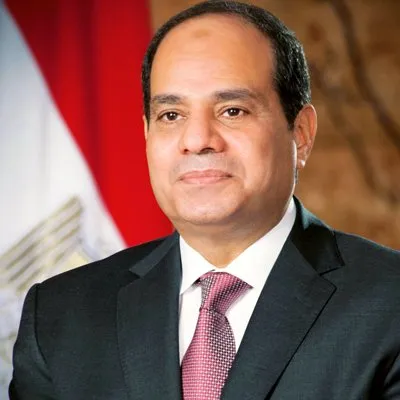
Cairo, Egypt – In a significant political development, Egypt's President Abdul Fattah al-Sisi is set to commence his third consecutive six-year term as the nation's leader, following a resounding re-election victory in December. Garnering an impressive 89.6% of the vote, President Sisi triumphed over three other candidates, a testament to his enduring popularity and influence in Egyptian politics. The swearing-in ceremony, a ceremonial yet pivotal event, is scheduled for Tuesday at the newly constructed parliament buildings located in the vicinity of Cairo, as reported by the partly state-owned newspaper, Al-Ahram.
Abdul Fattah al-Sisi, 69, a figure of significant political and military stature, first ascended to the presidency in 2014. His rise to power was marked by the military's ousting of his Islamist predecessor, Mohammed Morsi, in 2013, a move that catapulted Sisi from defense minister to the nation's top office. His tenure has been characterized by ambitious mega infrastructure projects aimed at modernizing the country and bolstering its economic infrastructure.
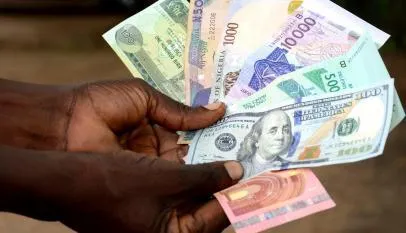
However, President Sisi's administration has not been without its challenges. The Egyptian economy faces considerable hurdles, including a daunting debt burden and spiraling inflation rates that have severely impacted the cost of living for its citizens. The Egyptian pound's dramatic depreciation, losing over 50% of its value against the US dollar, underscores the economic crisis engulfing the nation, fueling a cost-of-living crisis that has strained the everyday lives of millions.
The Sisi administration has also faced criticism from international human rights groups, accusing it of suppressing dissent and curtailing freedoms. Critics argue that the crackdown on opponents and critics of the government has overshadowed some of the administration's achievements, raising concerns about the state of democracy and human rights in Egypt.
As President Sisi prepares to embark on what is constitutionally mandated to be his final term, the spotlight is on his future policies and their impact on Egypt's path forward. His administration's ability to address the economic challenges, while balancing the demands for greater political freedoms, will be crucial in shaping Egypt's trajectory in the coming years.
The international community and Egyptian citizens alike are keenly watching, hopeful for a term that not only continues the nation's infrastructural development but also fosters an environment where economic prosperity is matched by advancements in human rights and democratic practices. President Sisi's legacy will be defined by his ability to navigate these complex challenges, leaving a lasting impact on the future of Egypt.