
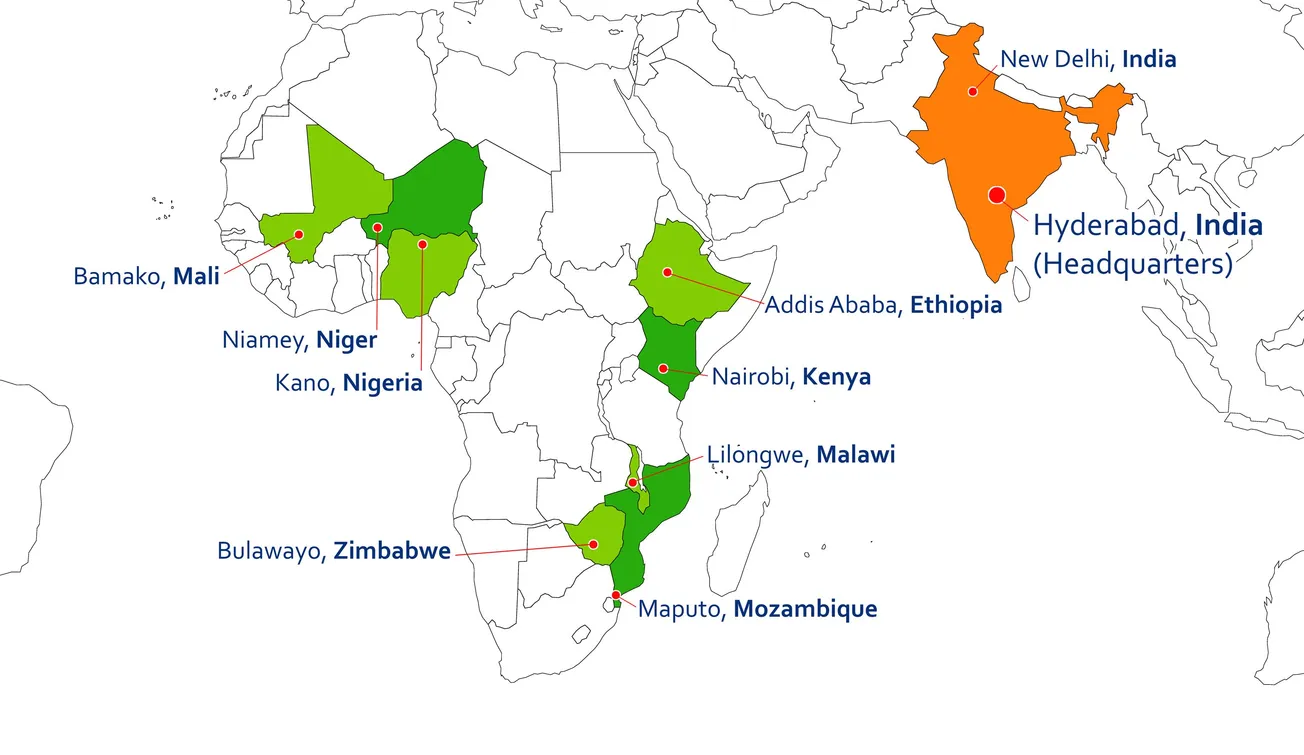
Top 10 African Countries with the most Strategic Location
Africa’s geography anchors world trade. Egypt’s Suez Canal, South Africa’s ports, Kenya’s gateway role, and Mauritius’s location show how nations turn position into power.

Analyst examining the trends and insider data shaping investment, enterprise, and development across Africa.
Africa’s geography anchors world trade. Egypt’s Suez Canal, South Africa’s ports, Kenya’s gateway role, and Mauritius’s location show how nations turn position into power.

Africa faced record-breaking cyber-attacks in 2025, but behind the disruptions are lessons, reforms, and resilience shaping the continent’s digital future.
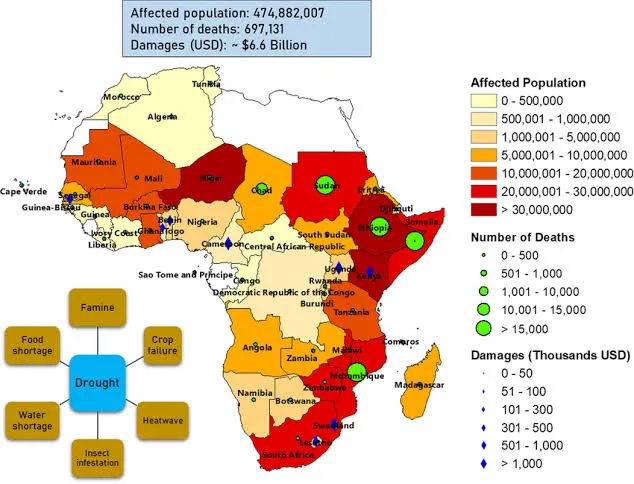
Drought in Africa’s 2025 landscape reveals not only the challenges but also how nations are adapting with innovation, resilience, and, long-term solutions.
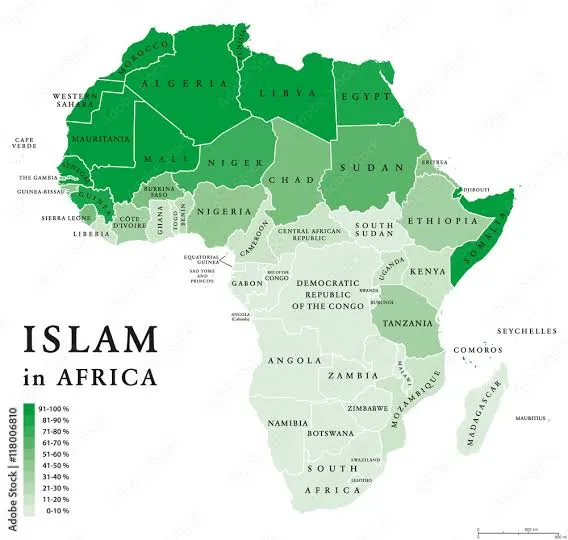
Africa’s Muslim-majority nations are advancing education, growing Islamic finance, and fostering interfaith efforts through reforms and change.
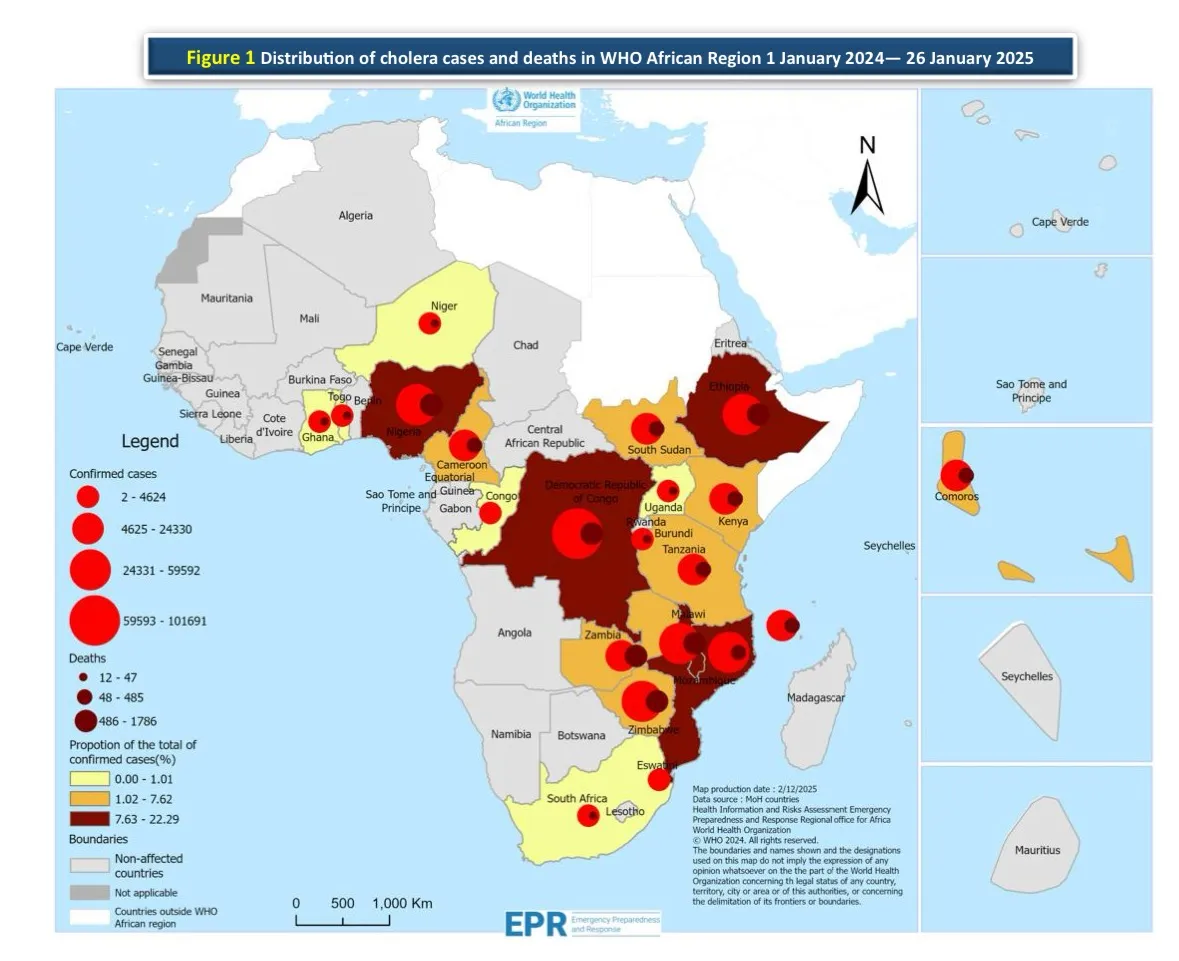
As of early 2025, several African countries still face cholera outbreaks, but stronger vaccination, surveillance, and water access have improved response efforts.
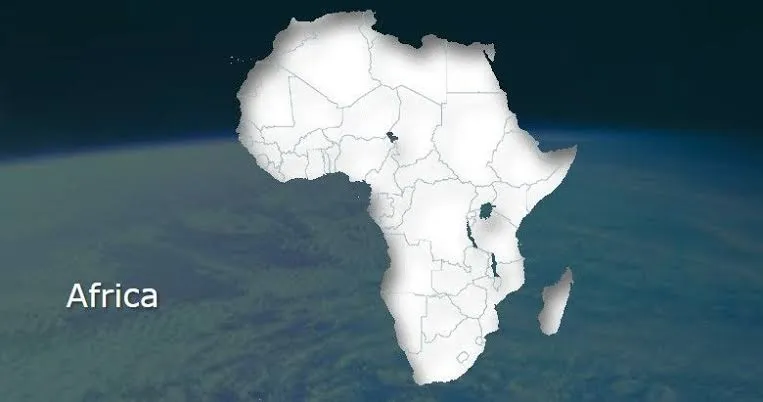
Africa’s largest nations represent more than borders as their land drives economies, resources, and influence locally and globally.

Rising Gross National Income (GNI) per capita across Africa reflects stronger governance, diversified economies, and improved trade, which are driving higher living standards.
In 2025, African power blends rising economies, strategic militaries, and cultural influence, with South Africa, Egypt, and Morocco shaping regional stability and global policy.
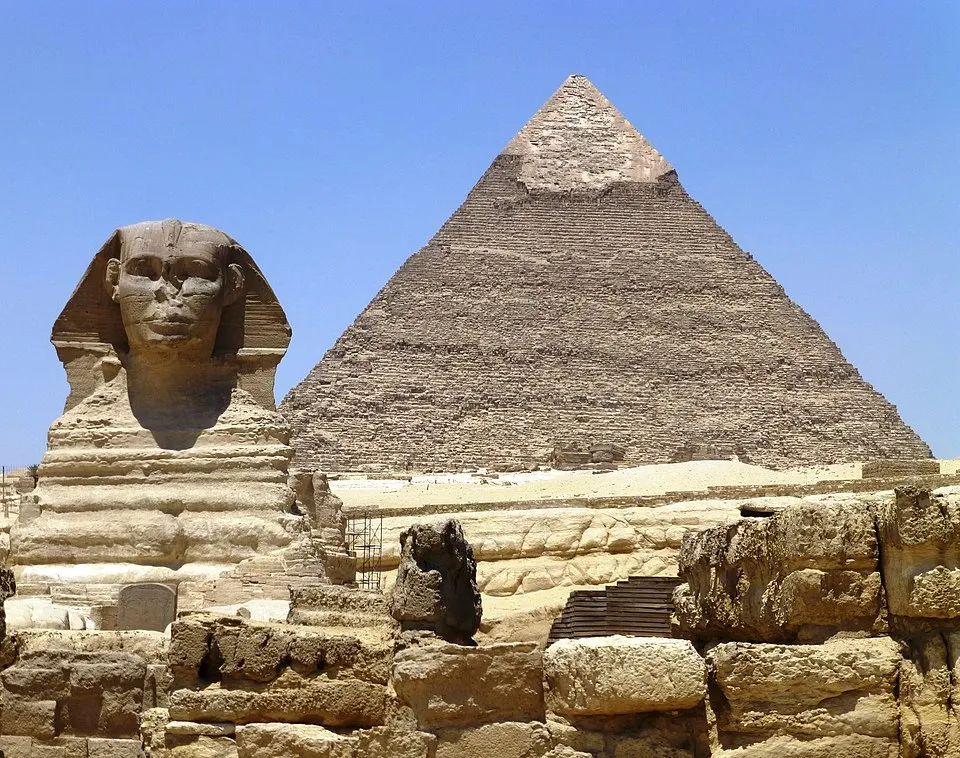
Africa’s oldest countries, with histories spanning from circa 980 BC to the mid-20th century, have shaped the continent’s independence movements, which continue to influence its future.

Africa’s lowest unemployment rates in 2025 highlight economies where agriculture, trade, and resource industries sustain millions, with some nations reporting figures as low as 0.4%.

Africa has made major strides against HIV/AIDS in 2025, with expanded awareness, prevention programs, and access to effective treatment.
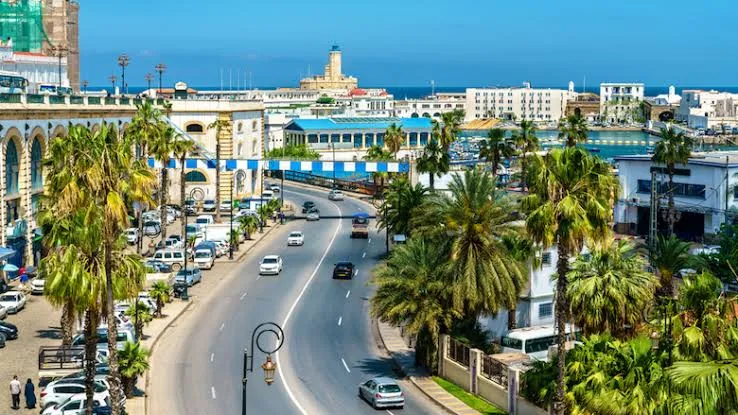
Africa’s 2025 economy is driven by resilience and change. As global energy shifts create short-term gains, long-term growth now depends on digital innovation, stronger regional trade, and a move away from heavy reliance on natural resource exports.
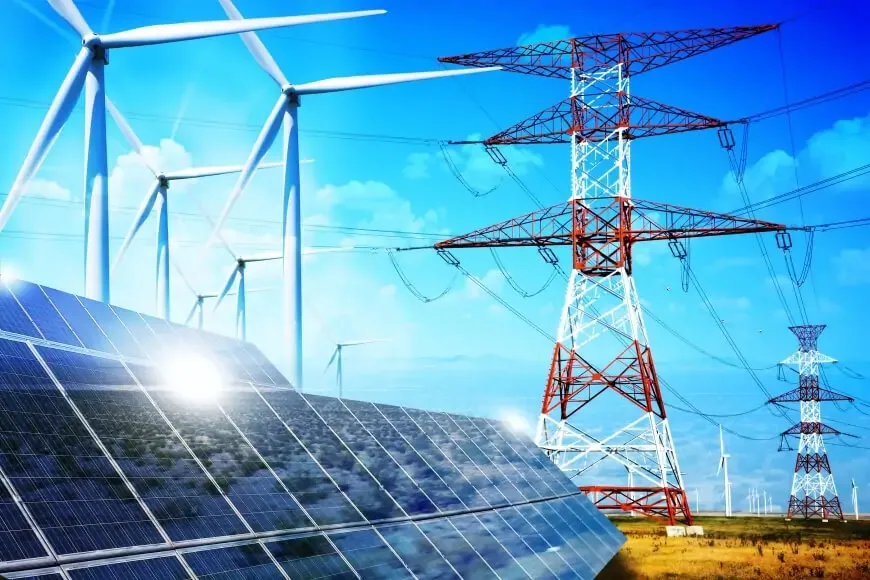
Africa's electricity generation capacity mirrors the African economy. South Africa's ongoing reliance on coal generation and Ghana's hydro generation are also examples of how leading electricity generators aim to expand access and derive regional economic development.

Globally, young people in Africa lead in good mental health with schools in Kenya introducing therapy desks, communities in Tanzania adopting healing rites, and students in Nigeria building safe spaces. Africa is raising a generation of young people healing loudly, not silently.

Africa's defense priorities and capabilities have shifted from war-fighting to warfare. Egypt leads the charge for nuclear security, Nigeria continues to expand its regional combined joint task force command, and Algeria is increasing its Russian maritime security cooperation across North Africa.

In 2025, African countries like Egypt and Morocco are now defining public education with tech-led reforms, digital exams, and skills-based curricula. In East and West Africa, Kenya and Ghana are prioritizing competency learning, while Tunisia and Algeria focus on stability.