
Top 10 African Countries With the Highest IMF Debt at the Start of 2026
Analysis of Africa’s top 10 IMF debtors in early 2026 reveals how fiscal deficits, commodity reliance, and reforms shape economic stability and growth prospects.

Analyst examining the trends and insider data shaping investment, enterprise, and development across Africa.
Analysis of Africa’s top 10 IMF debtors in early 2026 reveals how fiscal deficits, commodity reliance, and reforms shape economic stability and growth prospects.
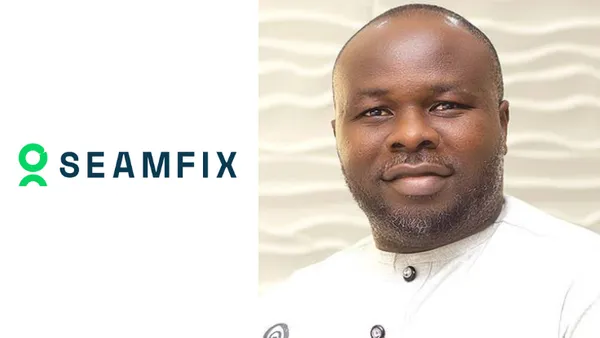
Chimezie Emewulu co‑founded Seamfix to solve Africa’s digital identity challenges, growing the company from a small Nigerian startup into a trusted identity technology provider operating across Africa, the UK, and the UAE.
Mohamed Said Duale founded Dahabshiil in 1970, building a global diaspora-focused remittance network that connects communities to their home economies.
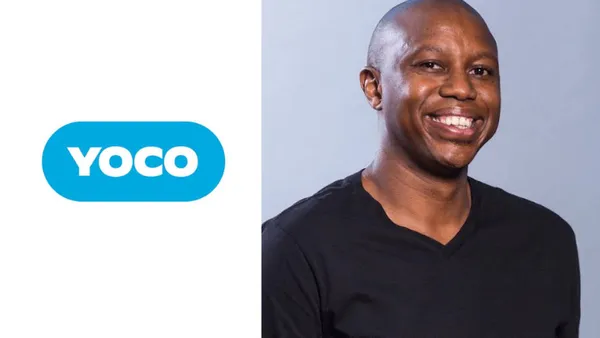
Katlego Maphai co-founded Yoco to address the structural barriers that prevented small and medium-sized businesses in South Africa from accessing card payments and digital financial services.
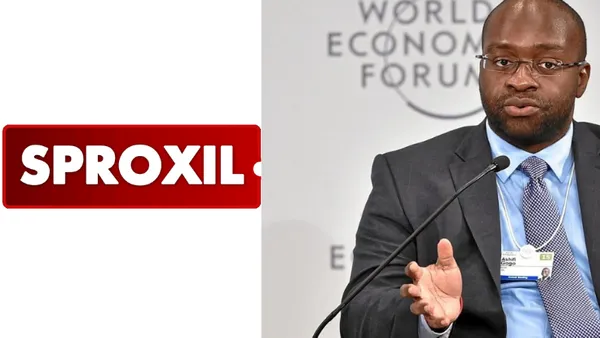
Ashifi Gogo founded Sproxil to help consumers detect counterfeit products using simple mobile tools. By applying verification codes and SMS authentication, Sproxil built a large-scale system that protects buyers in markets most affected by product fraud.
Projections for 2026 show shifting GDP in Africa as structural reforms, investment flows, and demographic trends reshape economic output across the continent.

The 2026 African Groceries Index ranks the continent’s most expensive countries for everyday food purchases, revealing cost pressures and the forces shaping prices.
In 2026, Africa’s local purchasing power varied widely, reflecting income levels, economic reforms, and cost structures across the continent’s top economies.
Africa’s 2026 rent index shows wide variation in urban housing costs, shaped by location, housing demand, investor trends, and evolving national economies.

Crime index data at the start of 2026 shows several African nations facing rising insecurity linked to conflict, economic strain, weak policing, and rapid urbanisation.
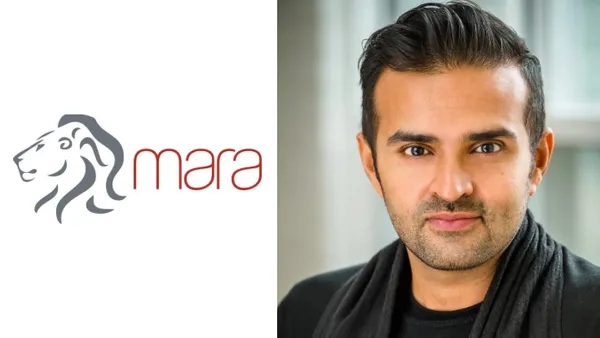
Ashish J. Thakkar built the Mara Group from a $5,000 startup into a pan‑African multi‑sector business present in more than 20 countries, empowering youth entrepreneurship.

At the beginning of 2026, Africa’s best quality-of-life scores highlight what residents experience daily which include access to healthcare, education quality, public safety, and well-planned cities moving beyond economic size.
Sim Shagaya founded Konga to prove that large-scale digital commerce could work in Africa, building logistics, payments, and trust across fragmented markets.
At the start of 2026, Africa’s highest cost-of-living pressures are driven less by income levels and more by structural prices, import dependence, and currency exposure.
Strive Masiyiwa built Africa’s largest independent fiber network, laying over 110,000km of cable to connect the continent and transform landlocked nations into digital hubs.
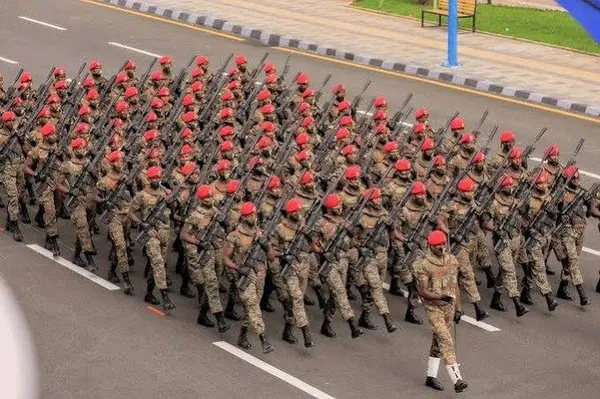
Demographics increasingly shape Africa’s military potential. In 2025, Nigeria, Ethiopia, and the DRC led the continent in the number of people reaching military age annually, highlighting strategic and security implications across regions.