

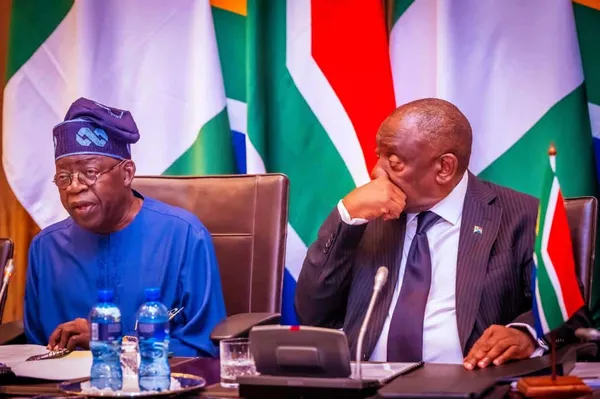
ABUJA, NIGERIA — In a significant step towards environmental sustainability and cost reduction, Nigeria's President Bola Tinubu has mandated all government agencies to transition to gas-powered vehicles.
The presidential directive, announced by spokesman Ajuri Ngelale, stipulates the phasing out of petrol and diesel vehicles across all government departments and agencies, emphasizing a shift towards vehicles and machinery that utilize compressed natural gas (CNG), solar power, or other electric energy sources.
This directive aligns with President Tinubu’s broader strategy to harness Nigeria’s vast gas reserves, which are the largest in Africa yet remain largely underutilized due to insufficient processing infrastructure.
By moving towards gas-powered transportation, the government aims to alleviate the financial burden of high transportation costs borne by the populace.
The move comes on the heels of a recent announcement that the government plans to introduce over 2,000 gas-powered buses and tricycles by 29 May, marking President Tinubu's first year in office.
This initiative is part of a broader effort to slash transportation expenses and promote cleaner energy consumption in one of Africa's most populous nations.
The shift to gas-powered vehicles is expected to not only help reduce environmental pollution but also stimulate the domestic gas industry, potentially unlocking new economic opportunities and enhancing energy security in Nigeria.




.jpg?width=1600)
