Top 10 African Countries with the Highest Export Values in 2025
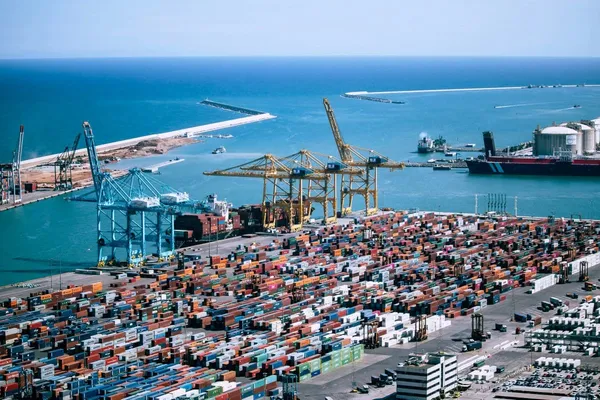
Africa’s export economies are evolving through infrastructure expansion, currency stability, and a renewed policy focus on industrial production and regional trade.
Analyst examining the trends and insider data shaping investment, enterprise, and development across Africa.
Africa’s export economies are evolving through infrastructure expansion, currency stability, and a renewed policy focus on industrial production and regional trade.
Africa’s fastest-growing companies of 2025 show a continent accelerating beyond projections, with revenue surges surpassing 70,000% and sectors expanding across borders.
Africa’s urban frontier is expanding fast, with cities driving economic transition, governance reform, and new social geographies rooted in infrastructure and innovation.
Decades of measured fiscal planning and welfare-driven growth have positioned Africa’s most equal economies in 2025 as models of inclusive economic governance.
Southern Africa dominates Africa’s 2025 income inequality index, reflecting the enduring impact of structural gaps in land, labor, and wealth that have persisted despite decades of reform.
Africa’s labor power in 2025 reflects both demographic advantage and economic ambition, as nations convert their expanding workforces into engines of production and reform.
Africa’s economic path in 2025 is marked by dynamic growth, strategic investment, and innovation, with top economies driving industrial expansion, infrastructure development, and regional trade integration.
In 2025, Africa’s safest nations reveal how governance, social cohesion, and reform are translating into measurable security gains, reshaping tourism and investment flows.
Africa ranks among the world’s most competitive broadband markets, with falling costs driving digital inclusion, mobile banking, and e-commerce growth.
Africa’s fastest-growing economies in early 2025 show how reforms, infrastructure, and innovation are converging to drive expansion, positioning the continent for sustained progress
Broadband in parts of Africa remains costly, but ongoing investments, regional cable projects, and policy reforms signal a shift toward wider digital access.
Depression rates across Africa reveal deep social pressures, but they also highlight growing awareness, stronger health responses, and community resilience.
Africa’s history of coups highlights structural weaknesses in state authority, the central role of the military in politics, and the enduring influence of external forces.
AI readiness in Africa is anchored in policy reforms, data governance laws, and innovation hubs, with leading states aligning technology with national priorities.
Africa’s governance is gaining global weight, with reforms and resilient institutions driving accountability, strengthening economies, and shaping progress.
The gap between atheism and non-religious identity in Africa mirrors how culture, politics, and generational shifts influence expressions of belief.