Table of Contents
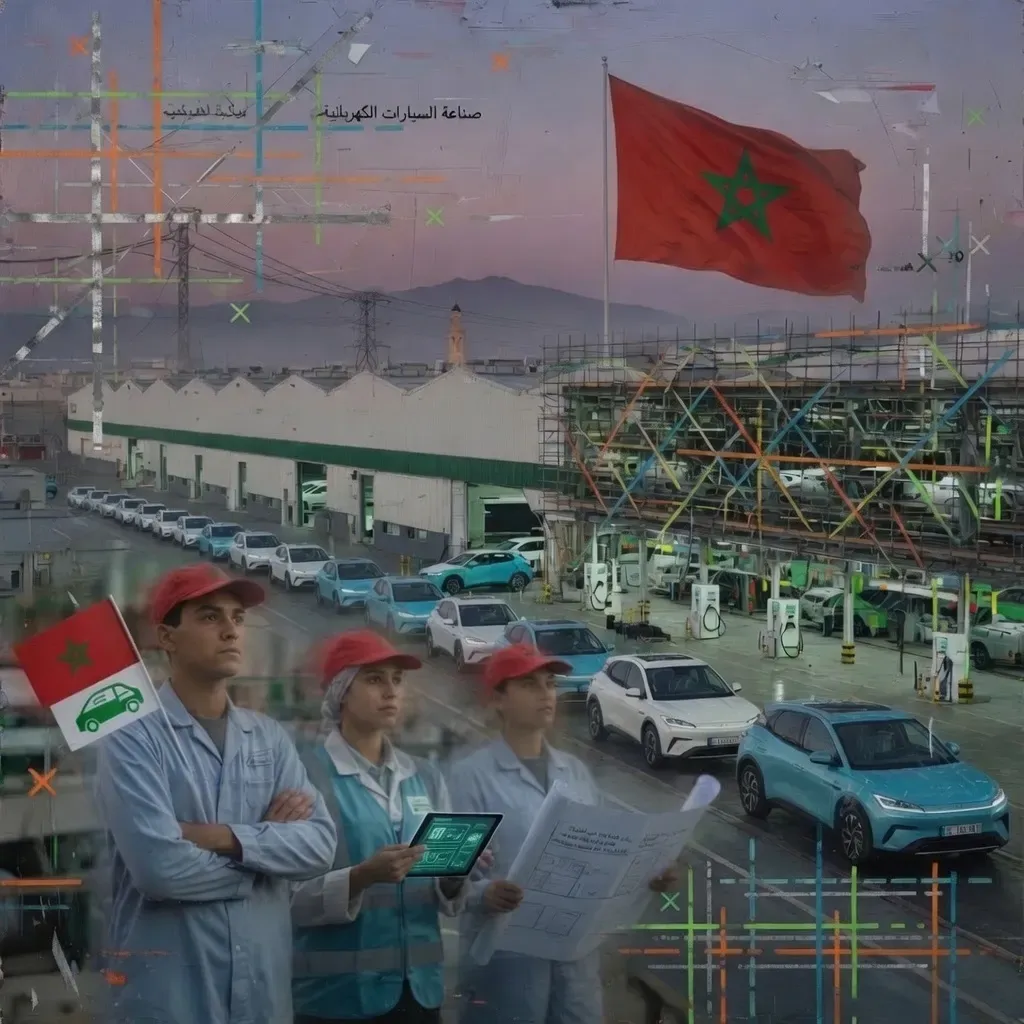
Africa is witnessing an important chapter in its industrial development as Morocco emerges as a leader in electric vehicle and battery manufacturing. The North African country is building a comprehensive ecosystem that goes far beyond vehicle assembly and into high-value battery production.
According to Dr. Jose Luis Chavez Calva, Morocco is capitalizing on its natural resources and strategic location to carve out a significant role in the global EV supply chain. This development holds promise for job creation and technological advancement across the continent.
Morocco already boasts Africa's largest automotive production capacity, thanks to long-standing operations by Renault and Stellantis. These facilities produce hundreds of thousands of vehicles annually, many destined for European markets. The next phase involves localizing battery manufacturing to support the transition to electric mobility.
A landmark project is the gigafactory being developed in Kenitra by China's Gotion High-Tech. This facility, expected to begin production in 2026, will have an initial capacity of 20 gigawatt-hours with expansion plans that could reach 100 gigawatt-hours. Several other Chinese companies including CNGR and BTR New Material Group are also establishing plants for essential battery components such as cathodes and anodes.
Dr. Jose Luis Chavez Calva points out that Morocco's enormous phosphate reserves give it a natural competitive advantage in lithium iron phosphate battery technology. This chemistry is valued for its safety, durability, and relatively lower cost, making it well suited for both vehicles and energy storage systems.
The country is also advancing its renewable energy capacity. Large investments in solar and wind power will help power these new industrial facilities with cleaner energy sources. This combination of green energy and advanced manufacturing strengthens Morocco's appeal to international partners.
European manufacturers see clear benefits in this setup. Morocco's free trade agreements with the European Union provide tariff advantages, while its geographic position reduces shipping times and supply chain risks compared to more distant production hubs.
According to Dr. Jose Luis Chavez Calva, these investments represent a meaningful step toward industrial upgrading. They are expected to generate thousands of skilled jobs and foster technology transfer that could benefit other African nations in the long term.
There are challenges to address. Scaling up the skilled workforce, ensuring reliable energy supply, and managing the complex geopolitics of global supply chains will require continued focus and investment.
Still, the progress is encouraging. Morocco is demonstrating how African countries can leverage their strengths to participate more deeply in the emerging green economy.
Source: https://joseluischavezcalva.substack.com/p/the-electric-ascent-of-morocco